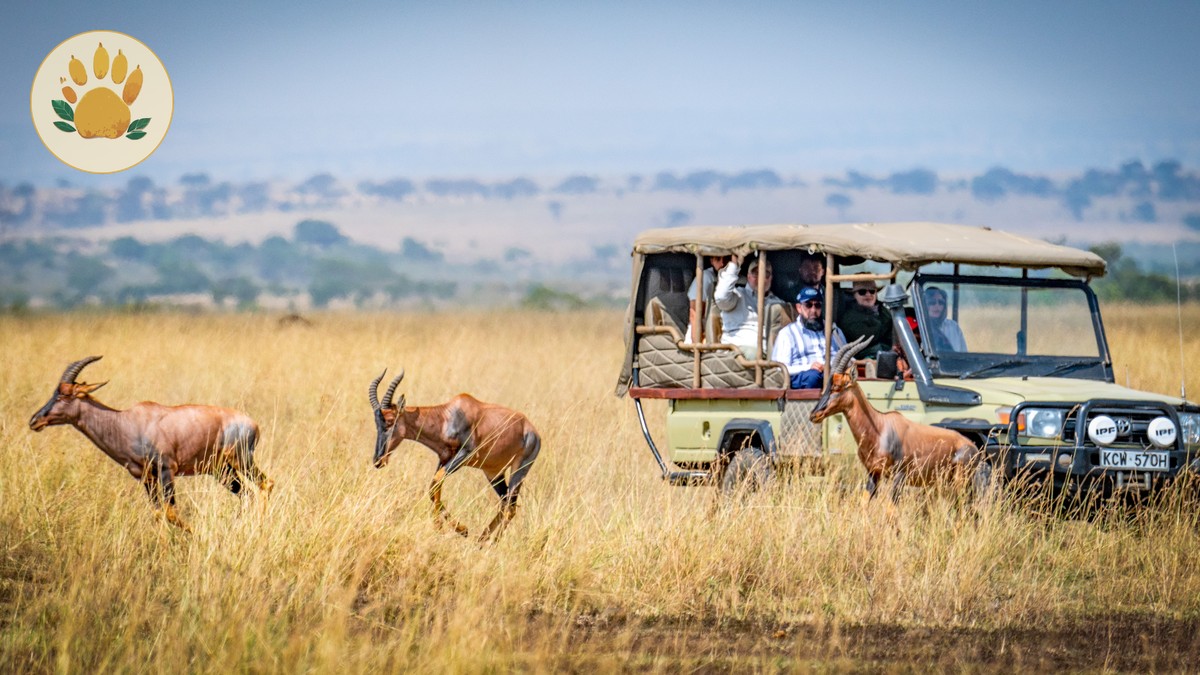
Arriving in Nairobi is the easy part. The real planning is who drives you, where you eat, when you pray, and what the trip costs. This Kenya safari guide for Arabic speakers answers those questions with current prices and a route that does not rush. That includes booking an Arabic-speaking guide, confirming halal meals, and handling Kenya’s eTA. The route runs seven days through the Maasai Mara and Amboseli. You will also know when to accept the crowds and when to ask for a quieter season.
Kenya safari guide for Arabic speakers: finding your driver-guide
Arabic-speaking driver-guides are available in Kenya, but supply is limited during July to October and Eid travel. Request one before paying a deposit. Confirm the guide by name, dialect or fluency, whether they drive, and whether the quoted price includes a private 4×4. A dedicated interpreter may cost extra.
State the dialect you need, whether Gulf Arabic, Egyptian, or Levantine, when you first enquire. If you want the same guide for all seven days, say so at the start. For two to four travelers, the language supplement is split across the group, so a private 4×4 is often better value than a shared vehicle. At SafariPure, we match you with a guide before your deposit is taken. The person in the email is the person at the airport.
Halal food, prayer, and alcohol-free safari arrangements
Most Nairobi hotels and many mid-range or luxury safari camps can arrange halal chicken, beef, or lamb if requested in advance. Confirm whether meat is certified halal and whether pork and alcohol are excluded. Also confirm the property can provide a prayer mat, private prayer space, Qibla direction, water for ablution, and suhoor or iftar timing.
Ask for these details when you book, not on arrival. Camps shop for food before you arrive, so a request made two weeks ahead works best. Put it in writing and ask your guide to reconfirm a week before. Dedicated prayer rooms are uncommon in tented camps. Most camps can set aside a private space, show the Qibla, and supply water for ablution if asked early. During Ramadan, early game drives work well because the animals are active at sunrise and you can rest through the heat of the day.
A 7-day Kenya safari route for Arabic-speaking travelers
A comfortable first safari takes seven to nine nights and focuses on two wildlife areas. A practical route is one night in Nairobi, three nights in the Maasai Mara, and two nights in Amboseli. Add a final night in Nairobi or Naivasha before an early flight. Use internal flights when reducing long road transfers matters more than minimizing cost.
Day one is arrival in Nairobi, with an early start the next morning. Days two to four are Mara time, with a full day of game drives and the option of a conservancy visit. Days five and six take you to Amboseli for elephants and Kilimanjaro views. Day seven returns you to Nairobi, or to Lake Naivasha if your flight leaves the next morning. The main decision is road versus air. The drive from Nairobi to the Mara is roughly 250 to 280 km and takes five to six hours, depending on the gate. Flying from Wilson Airport to a Mara airstrip takes under an hour. Our field notes on how dusty Kenya safari roads can be will help you choose.
| Day | Area | Nights | Wildlife focus | Entry fee per adult per day |
|---|---|---|---|---|
| 1 | Nairobi | 1 | Arrival, rest | USD 80 if you visit Nairobi National Park |
| 2-4 | Maasai Mara National Reserve | 3 | Big cats, migration July to October | USD 100 January to June; USD 200 July to December |
| 5-6 | Amboseli National Park | 2 | Elephants, Mount Kilimanjaro views | USD 90 |
| 7 | Nairobi or Lake Naivasha | 1 | Return flight or lake rest | Varies by property |
The Mara is run by Narok County Government, so its fee is separate from Kenya Wildlife Service parks. If you stay in a private conservancy such as Mara North or Naboisho, the conservancy fee of roughly USD 80 to 150 per person per night is bundled into your lodge rate.
Kenya safari costs for Arabic-speaking travelers
A private mid-range Kenya safari commonly costs about USD 400 to 700 per person per night before international flights. Budget trips may cost USD 200 to 350, and luxury camps USD 800 to 1,500 or more. A private Arabic-speaking guide and 4×4 can add roughly USD 180 to 250 per day for two to four travelers.
Those rates usually cover accommodation, meals, game drives, and the vehicle. Park entry fees are separate, so budget for them on top. Internal flights are extra, with fares varying by route and season. Ask for a written quote that separates all line items. Private vehicles drive the price up. If the cost feels high, an Arabic-speaking guide on a shared vehicle can reduce the daily rate. Comparing Kenya group-joining safari costs shows realistic savings. For two to four travelers, a private 4×4 is usually the best value because the language supplement is split across the group.
Kenya eTA and entry requirements for Arabic-speaking visitors
Most Arabic-speaking visitors, including GCC nationals and children, need an approved Kenyan Electronic Travel Authorization before flying. Visa-on-arrival processing is no longer the normal route. Apply several days to a week ahead. Use passport details exactly as printed, and carry digital and printed approval documents because airlines may deny boarding without them.
The form takes about 20 minutes on the official Kenya eCitizen platform. Processing time is the delay, so do not wait until the week of departure. Match passport details exactly, including children. After approval, carry both a printed copy and the digital file. Your operator can help if you send documents ahead.
Best time to visit Kenya for Arabic-speaking travelers
July to October offers the easiest classic wildlife viewing and the possibility of seeing the Maasai Mara migration. It also brings higher prices, more vehicles, and limited Arabic-guide availability. January to March is generally quieter. Travelers visiting during Ramadan should prioritize cooler areas, early game drives, midday rest, and pre-arranged suhoor and iftar.
January to March is a strong choice. Grass is short, animals concentrate around water, and Amboseli is at its clearest for Kilimanjaro views. If you can travel then, you will find more guide availability and lower rates. In July to October, the Mara is at its most dramatic, but book an Arabic-speaking guide well ahead and expect more vehicles at sightings. If Ramadan or school holidays fix your dates, the question is not which month is best, but which camps can meet your requests.
The next decision is the quietest one: which week, which camp, and which corner of the Mara. That choice benefits from patience. If you have more than seven days, our Kenya safari and beach extension itinerary adds a slow coastal finish. A SafariPure planner can share current camp options, Arabic guide availability, and Ramadan-friendly meal plans for the season you have in mind. Start with the dates, then let the route follow.